Green mobility
Transportation is one of the largest sources of greenhouse gas emissions in the United States and across other English-speaking countries, and it is also one of the areas where individuals can make the most meaningful changes. Green mobility covers everything that helps people move around with a smaller environmental footprint: electric cars, public transit, cycling, walking, carpooling, and shared mobility services. This page brings these ideas together in one place, explains how they connect, and answers the questions newcomers most often ask.
What Is Green Mobility?
Green mobility is a broad term that describes any way of getting around that reduces harm to the environment compared with conventional petrol or diesel transport. It is not limited to a single technology. Instead, it is an approach that combines cleaner vehicles, smarter use of existing infrastructure, and everyday habits that shorten or simplify trips.
Think of it as a toolbox rather than a single tool. An electric car is one tool. A bus pass, a bike lane, a carpool arrangement, or a well-planned errand run are others. Most people use a mix of these depending on the journey, the weather, and their budget.
Why Transportation Matters for the Environment
Road transport accounts for a significant share of carbon emissions, with cars and light trucks representing the largest portion in many countries. Beyond carbon dioxide, combustion engines also release nitrogen oxides and fine particulates that affect air quality and public health, particularly in dense urban areas.
Green mobility addresses these problems in two complementary ways: by changing what powers vehicles (electricity instead of fossil fuels) and by reducing how much we need to drive (through better planning, sharing, and alternative modes).
Electric Vehicles: The Cornerstone of Low-Emission Driving
Electric vehicles (EVs) have moved from a niche product to a mainstream option, with models available at a wide range of price points and charging networks expanding rapidly across highways, workplaces, and neighborhoods.
Types of Electric and Hybrid Vehicles
- Battery electric vehicles (BEVs): fully electric, charged from the grid, with no tailpipe emissions.
- Plug-in hybrids (PHEVs): combine a battery for shorter trips with a petrol engine for longer journeys.
- Conventional hybrids: use a small battery to improve fuel economy but cannot be plugged in.
Practical Considerations Before Switching
- Assess your daily mileage. Most drivers cover far less distance than they assume, which makes EV range a non-issue for everyday use.
- Check your charging options, whether a home wall box, a workplace charger, or public fast-charging stations nearby.
- Compare total cost of ownership, not just the purchase price: fuel savings, lower maintenance, and available tax credits or rebates can significantly offset the initial investment.
Consider a fictional example: a commuter driving 40 miles a day in an electric hatchback charges overnight at home, pays a fraction of what a petrol equivalent would cost in fuel, and only plans a public charging stop on occasional road trips.
Beyond Cars: Everyday Green Mobility Options
While electric vehicles receive most of the attention, some of the most effective green mobility choices involve leaving the car behind entirely, even occasionally.
Public Transportation
Buses, light rail, subways, and commuter trains move many people with far less energy per passenger than individual cars. In cities with reliable networks, a transit pass can replace a second household vehicle, saving thousands of dollars a year while cutting emissions.
Cycling and E-Bikes
Cycling suits short urban trips, and the rise of e-bikes has broadened its appeal by making longer distances and hillier terrain manageable. Many cities have invested in protected bike lanes and bike-share programs, making two wheels a realistic commute option rather than a weekend hobby.
Walking and Micromobility
For trips under a mile or two, walking is often as fast as driving once parking is factored in. Electric scooters and shared micromobility services fill the gap for short urban hops without adding congestion.
Carpooling and Car Sharing
- Carpooling splits costs and emissions among several commuters heading the same way.
- Car-sharing services give occasional drivers access to a vehicle without the expenses of ownership.
- Ride-hailing pool options reduce the per-passenger footprint of each trip.
How to Build a Greener Mobility Routine
Adopting green mobility does not require a dramatic lifestyle overhaul. Small, consistent changes add up, and many people find that a gradual approach is the most sustainable one.
- Map your typical week and identify which trips are short, frequent, or easy to combine.
- Replace one or two solo car trips per week with walking, cycling, or transit.
- Combine errands into a single round trip instead of multiple outings.
- If a vehicle purchase is coming, seriously evaluate an electric or plug-in hybrid model against your real usage.
- Reassess every few months: habits that felt inconvenient at first often become routine quickly.
Common Questions About Green Mobility
Are electric vehicles really cleaner if electricity still comes from fossil fuels?
Yes. Even on grids that rely partly on fossil fuels, electric vehicles generally produce fewer lifetime emissions than combustion cars, because electric motors are far more efficient. As power grids add more renewable energy, the advantage grows automatically.
Is green mobility expensive?
Not necessarily. Walking, cycling, and public transit are among the cheapest ways to travel. While some clean vehicles carry higher upfront prices, incentives, fuel savings, and reduced maintenance often narrow the gap over the life of the vehicle.
What if I live in a rural area?
Green mobility still applies, though the mix differs. Longer distances make efficient vehicles and EVs with adequate range more relevant than bike commuting, and carpooling or combining trips can meaningfully reduce total mileage.
The Bigger Picture
Green mobility is not about perfection on every trip. It is about shifting the overall balance of how we move toward options that are cleaner, often healthier, and frequently cheaper. Cities continue to expand charging networks, improve transit, and build safer cycling infrastructure, which makes each greener choice easier than it was before. Whether the starting point is an electric car, a weekly bus ride, or simply combining errands, every step contributes to a transportation system that works better for people and the planet.
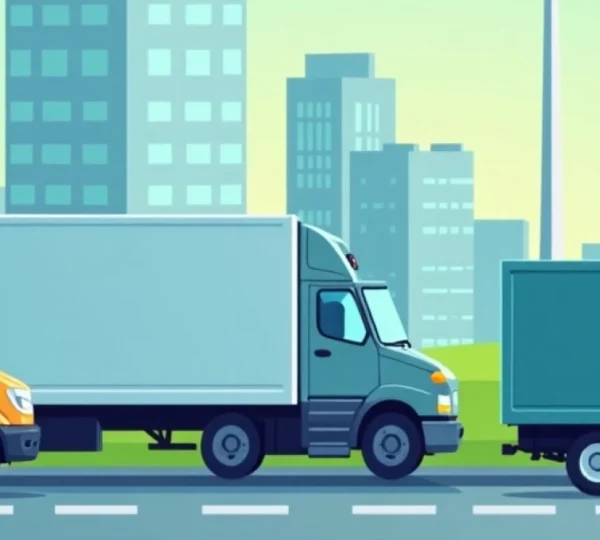
How do electric fleets contribute to reducing transportation costs for businesses?
The shift towards electric fleets is revolutionizing the transportation landscape for businesses across industries. As companies seek innovative ways to cut costs and boost efficiency, electric vehicles (EVs) are emerging as a game-changing solution. The integration of EVs into commercial…
Lire la suiteChoose hybrid vehicles for a sustainable, fuel-efficient driving experience
Hybrid vehicles represent a significant leap forward in automotive technology, offering a compelling blend of fuel efficiency and environmental responsibility. As the automotive industry faces increasing pressure to reduce carbon emissions, hybrid powertrains have emerged as a vital solution, bridging…
Lire la suite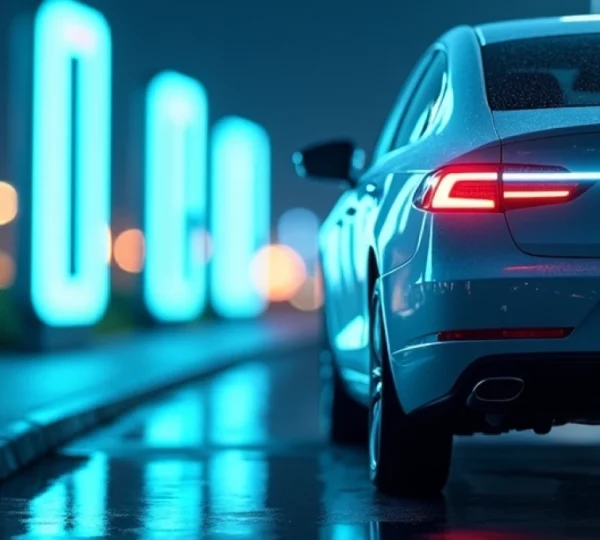
Why are charging stations critical for the widespread adoption of electric vehicles?
The rise of electric vehicles (EVs) represents a paradigm shift in transportation, promising cleaner air and reduced carbon emissions. However, the success of this revolution hinges on a crucial factor: the availability and efficiency of charging stations. As the automotive…
Lire la suite